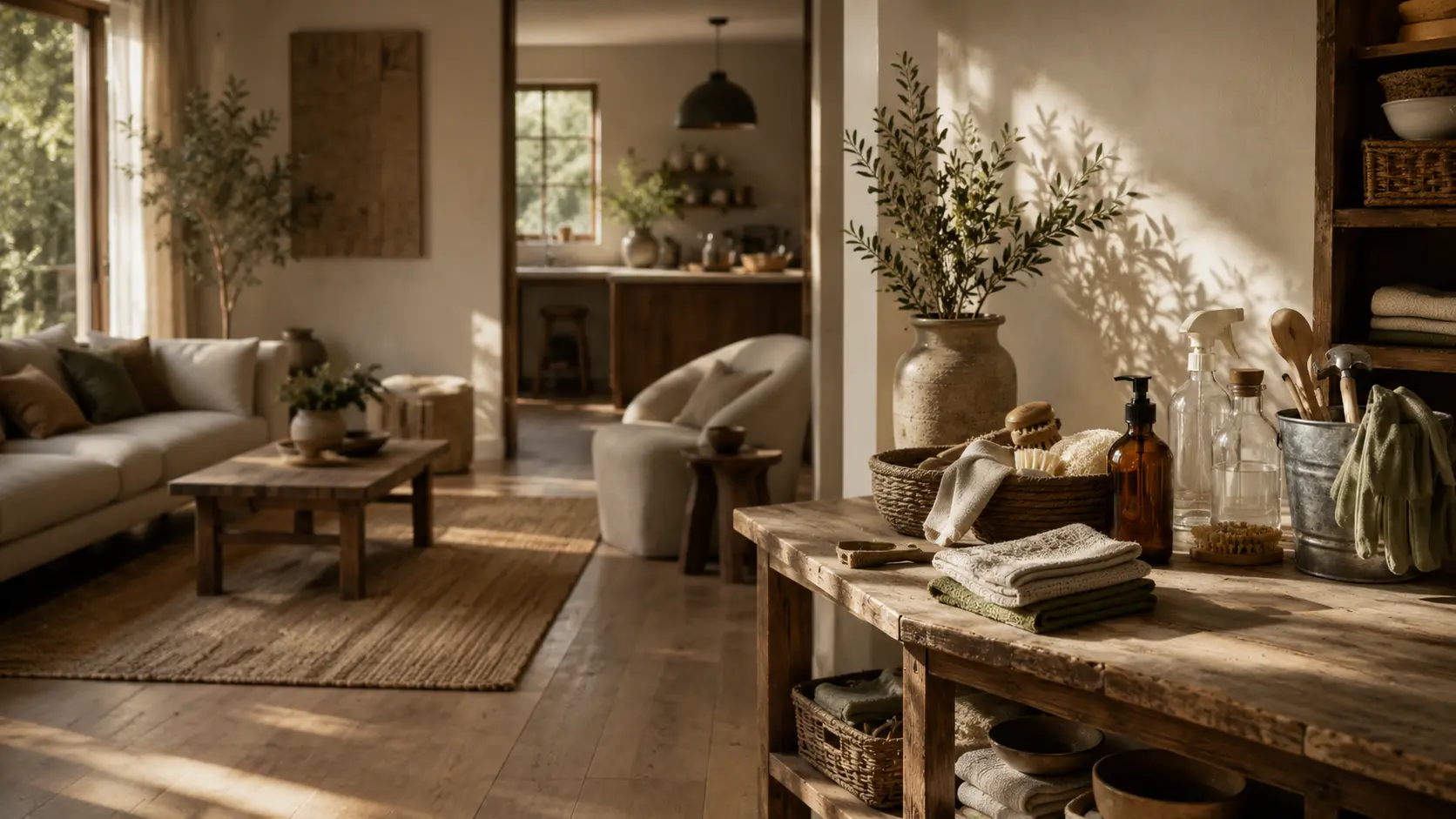
Clean rooms often begin with smart placement rather than stronger products. A practical furniture layout for cleaning gives every task a clearer route. It lets tools reach floors, walls, corners, and shelves without constant lifting. The room still feels welcoming because comfort remains part of the plan. Good spacing helps people move naturally while cleaning happens more quickly. The product How to Arrange Furniture for Easy Cleaning turns these choices into simple steps. It supports accessible cleaning paths for daily movement. It also encourages simple furniture spacing around large pieces. When every item has breathing room, upkeep feels less disruptive. The whole space becomes easier to enjoy and easier to maintain.
Energy disappears quickly when cleaning requires constant rearranging. Heavy chairs, cramped tables, and blocked outlets create unnecessary friction. A better room plan removes those obstacles before they become chores. Seating can stay comfortable while pathways remain open and visible. With minimalist furniture placement, every piece earns its position. A clear plan also strengthens clutter-free room design because storage has limits. The How to Arrange Furniture for Easy Cleaning guide helps identify those pressure points. It shows how small placement changes reduce weekly effort. You spend less time preparing to clean. More importantly, the home feels easier to reset after ordinary living. This small shift protects time, patience, and energy.
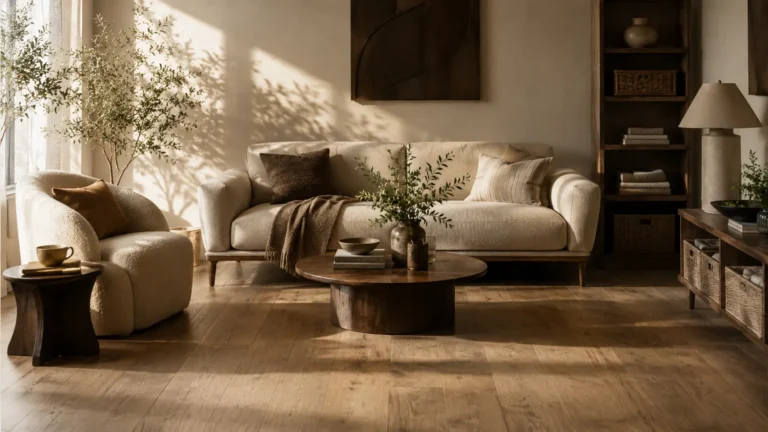
The largest pieces shape every cleaning route in the room. Start with sofas, beds, tables, cabinets, and media units. Each should allow a practical path around at least one main side. This supports an open floor furniture plan without removing personality. It also prepares the space for a robot vacuum friendly layout. Keep floor lamps, baskets, and plant stands away from narrow turns. Small obstacles often cause more frustration than large furniture. For a companion approach, review the arrangement guide. It focuses on placement changes that simplify daily maintenance. Once the big pieces work, everything else becomes easier to edit.
Weekly routines run smoother when the room is ready before you begin. Open edges make sweeping feel predictable instead of irritating. Clear corners give dust fewer places to collect unnoticed. A practical plan supports space planning for cleaning at every scale. It can also create an easy-to-clean living room layout for family use. A focused resource helps refine those details before you commit to any single placement choice. It encourages you to test movement before committing to any arrangement. Walk with a vacuum, mop, or laundry basket in mind. The best layout feels natural during real chores. That practical test reveals problems faster than visual planning alone.
Homes with pets or children need flexible cleaning access. Crumbs, fur, toys, and spills move through rooms quickly. Furniture should make those messes easier to reach, not easier to hide. Use sturdy pieces with open bases when possible. Add washable furniture zones near snack areas, play areas, and pet beds. Pair them with a low-maintenance home layout that accepts daily activity. Rounded pathways help children move without bumping corners. Visible floors make lost toys and pet hair easier to spot. Simple placement also reduces the need for constant rule enforcement. The room stays relaxed because the plan expects real life.
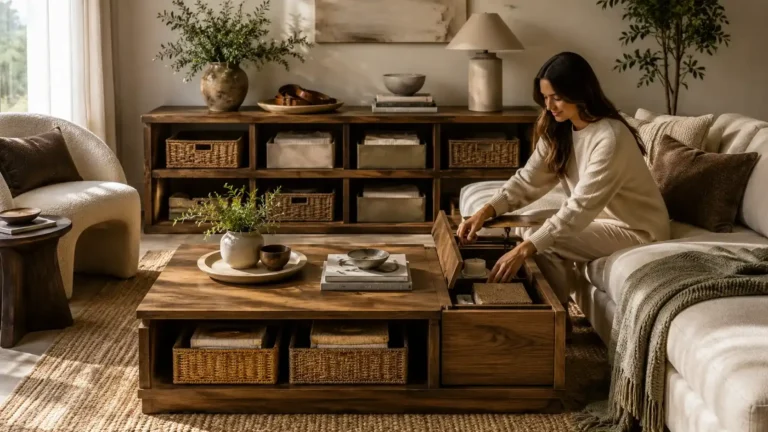
Random storage turns cleaning into a search mission. Maintenance zones give every recurring item a predictable destination. Place baskets, trays, and slim cabinets where clutter naturally appears. This creates an effortless maintenance plan for busy mornings and evenings. A practical smart layout guide can help assign those zones wisely. For whole-home strategy, visit the design companion. It connects furniture choices with room finishes and everyday routines. Zones work best when they stay visible and easy to reach. Hidden systems often fail because people forget to use them during busy weeks. Simple storage succeeds when it supports the habits already present in daily life. The system feels simple enough for everyone to follow today.
Large redesigns can feel overwhelming, so begin with one section. Move a coffee table slightly and test the floor around it. Shift a chair and notice whether vacuuming becomes easier. Raise cords, clear pathways, and remove duplicate accent pieces. These changes reveal what the room actually needs. Keep comfort, conversation, and traffic flow in balance. A space should never feel sterile just because it is easy to clean. Return to How to Arrange Furniture for Easy Cleaning when you want a structured checklist. Gradual refinement keeps the project manageable. Over time, the room becomes cleaner because the layout quietly supports every routine.


Leave a comment