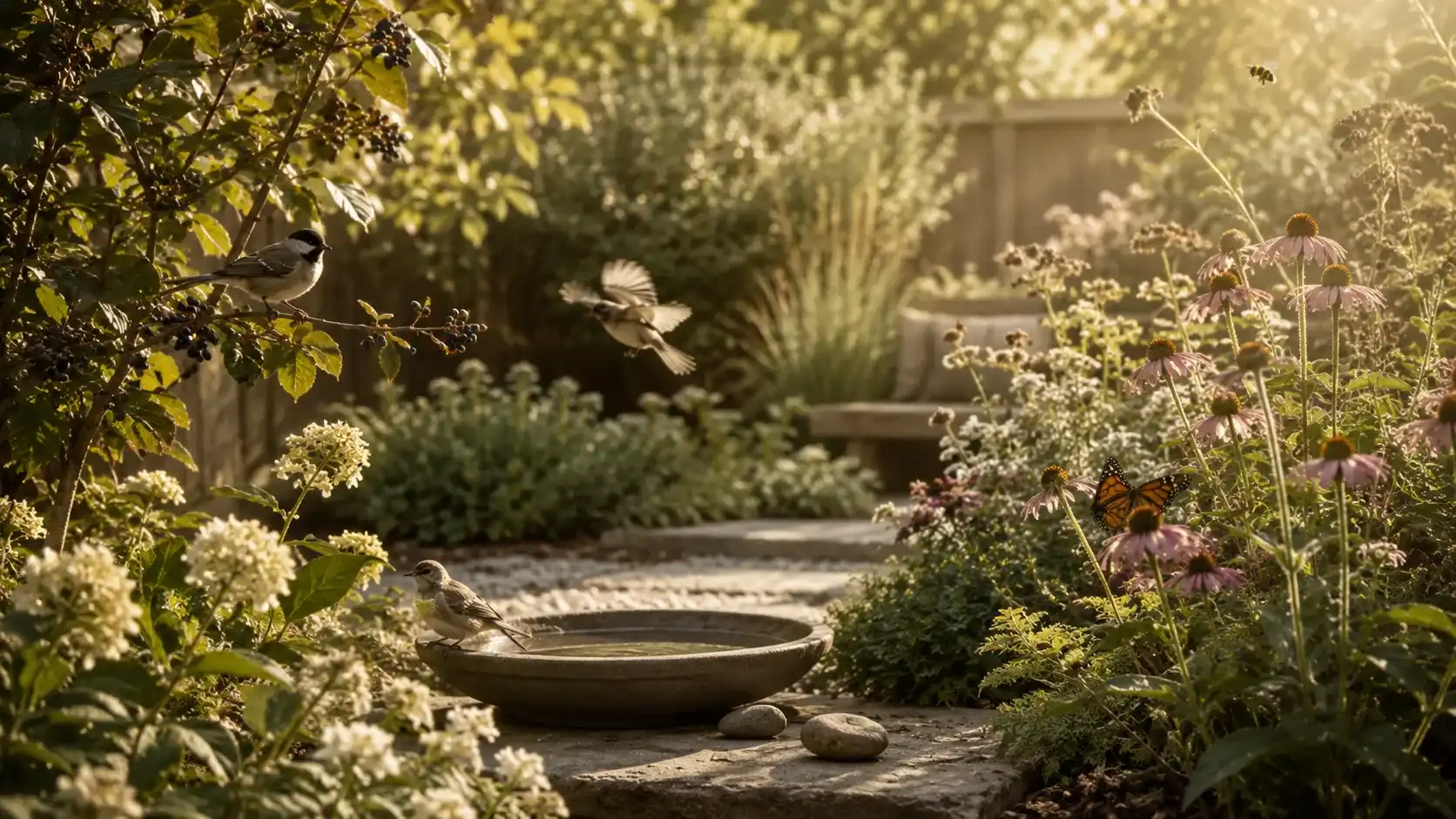
The phrase wildlife-friendly backyard ideas points to choices that feel inviting, practical, and easy to maintain. Your outdoor space can support birds, bees, butterflies, and helpful insects. It can also remain beautiful for family life. Start by looking at the yard you already have. Notice bare soil, unused corners, sunny fences, and forgotten containers. Each area can become more useful with small changes. Add food first. Add water next. Then create shelter where visitors can rest safely. For step-by-step inspiration, use Backyard Oasis: Wildlife at Your Doorstep while shaping your plan.
The strongest choices usually copy nearby nature rather than fighting it. A native plant garden gives local creatures familiar food. A pollinator garden brings color, scent, and steady motion. Dense planting softens hard fences. Flower clusters help insects find nectar faster. Seed heads feed birds after bloom season ends. Mulch protects soil life when weather turns harsh. Avoid sterile beds that offer only decoration. Let some texture remain through the year. A natural look can still feel polished, intentional, and welcoming.
Begin with one area that already receives regular attention. A patio edge works well. A mailbox bed can surprise you. A sunny strip along a fence may become valuable. Keep the first project manageable so progress feels encouraging. Choose three native plants with different bloom periods. Add one shrub if space allows. Place water where cleaning feels convenient. Observe results before expanding. This approach keeps costs controlled. It also helps you learn what your local wildlife actually prefers.
Every successful yard needs resources that visitors can find repeatedly. Food comes from nectar, seeds, berries, and host plants. Water should stay shallow, clean, and easy to reach. Cover protects birds from weather and predators. A bird-friendly landscape combines all three needs in thoughtful ways. Include native shrubs for birds near quiet boundaries. Add a water source for wildlife beside plants that offer shelter. Keep cats away from feeding areas whenever possible. Safety matters as much as food. Resources work best when placed close together.
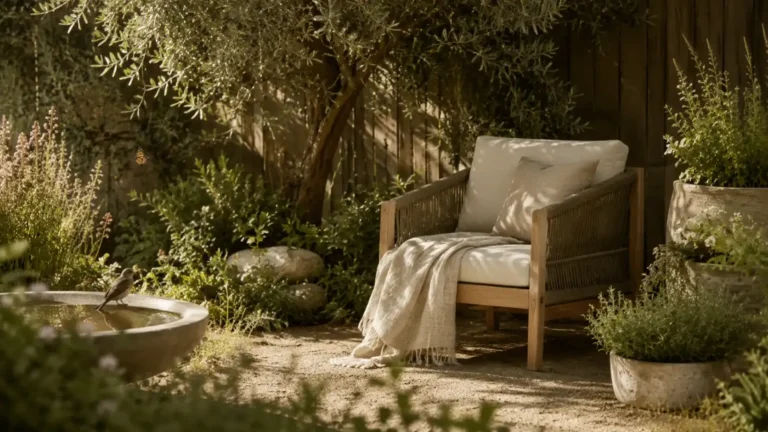
Small patios can still become busy living spaces for nature. Use deep containers for flowers and herbs. Hang baskets where bees can reach trailing blooms. Place a saucer of water on a stable stand. Add a dwarf shrub in a large pot. Let vines climb a trellis for vertical cover. Explore butterfly garden ideas that fit narrow spaces. Keep a habitat garden checklist nearby while shopping. Use wildlife garden planning before buying decorative extras. Purposeful choices make even tiny spaces productive.
Scale should guide every purchase. Oversized features can crowd movement quickly. Tiny plants may disappear behind furniture. Choose containers with enough soil volume to resist drying. Group pots so watering takes less effort. Place taller plants behind shorter blooms. Leave a quiet corner where insects can avoid foot traffic. Keep lights soft near evening flowers. Review the space from your usual seat. When beauty and usefulness meet, the patio begins to feel larger.
Maintenance can either disturb wildlife or protect it. Mow less often where local rules allow. Leave leaves under shrubs when they do not create hazards. Cut stems later in spring to protect overwintering insects. Practice organic yard care instead of relying on harsh sprays. Add a small pond feature only if you can maintain clean edges. Build a nature-friendly outdoor space with patience and observation. Keep tools organized to avoid trampling ground cover. Gentle habits make the yard more reliable. Reliability brings wildlife back.
Simple routines often create the biggest improvements. Refill water before it dries completely. Remove diseased plant material without clearing everything. Replace invasive volunteers before they spread. Watch for nests before pruning dense shrubs. Let some flowers set seed before deadheading. Compost clean plant debris when appropriate. Keep paths open for people. Preserve tucked-away corners for creatures. Balance makes the yard pleasant for everyone. Over time, maintenance becomes stewardship rather than a chore.
Seasonal planning keeps the yard useful when conditions shift. Spring needs early nectar. Summer needs shade and water. Autumn needs berries, seeds, and structure. Winter needs cover from wind and weather. A seasonal habitat plan prevents gaps that leave visitors searching elsewhere. Choose plants that peak at different times. Keep records of what blooms when. Add improvements during cooler weather when transplanting feels easier. Revisit Backyard Oasis: Wildlife at Your Doorstep before each major planting season. Long-term variety creates a dependable refuge.
The best outdoor transformations feel personal, not formulaic. Choose features you will enjoy caring for. Watch the yard at different hours. Celebrate the first bee, feather, chrysalis, or birdsong. Link your next steps with the habitat planning article, the outdoor design article, and the visitor attraction article. Keep learning from each season. Return to Backyard Oasis: Wildlife at Your Doorstep when you want a clearer checklist. Your yard becomes more alive when care, patience, and beauty work together. Begin with one change. Let nature answer.



Leave a comment