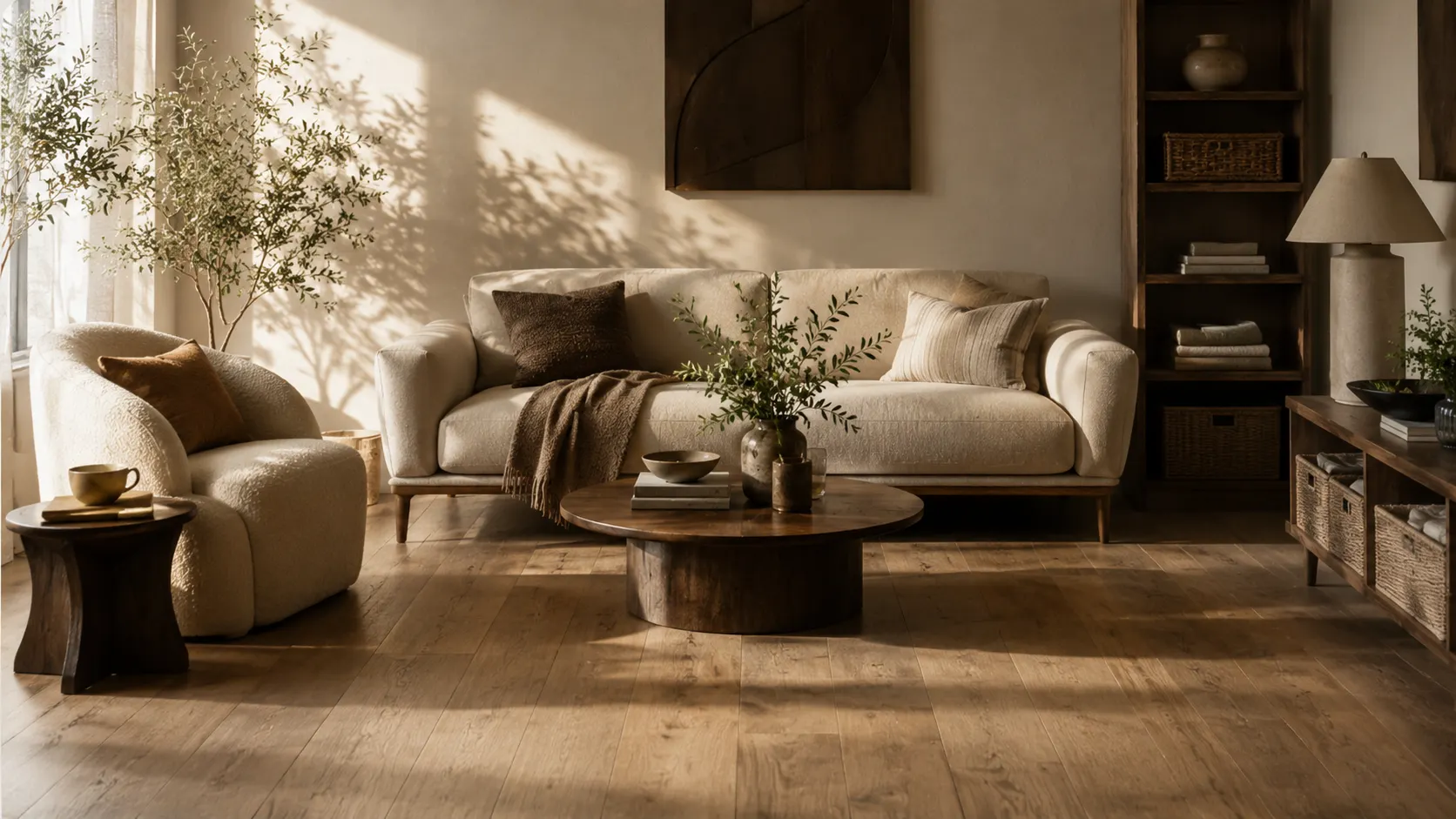
A room feels calmer when daily upkeep requires fewer awkward moves. That is why easy cleaning furniture arrangement matters for busy households. Furniture should support movement, not block tools, vents, corners, or light. The best layouts leave space around pieces without making rooms feel sparse. Smart choices also reduce dust traps, hidden clutter, and hard-to-reach floor edges. For deeper guidance, How to Arrange Furniture for Easy Cleaning gives practical planning help. It pairs well with minimalist furniture placement for smaller homes. Clear walkways create accessible cleaning paths across the room. Your home starts working with your routine instead of against it. The result feels polished, comfortable, and easier to refresh every week.
Cleaning becomes simpler when every piece has a practical reason for being there. A sofa with breathing room lets dust tools reach behind it quickly. Chairs feel more welcoming when they do not crowd corners or doorways. Tables work better when their legs leave enough space for sweeping. With simple furniture spacing, floors stay visible and easier to maintain. A thoughtful room also supports clutter-free room design without feeling empty. The linked How to Arrange Furniture for Easy Cleaning guide expands these decisions clearly. It helps you see furniture as part of your maintenance system. Better placement saves small pockets of effort throughout the week. Those saved moments create a home that feels naturally organized.
Pathways determine how smoothly cleaning tools move through a living space. Start by checking the route from each entrance to major seating areas. A direct route keeps vacuuming and mopping from becoming a furniture obstacle course. The approach supports an open floor furniture plan that still feels warm. It also makes a robot vacuum friendly layout more realistic. Keep rugs flat, cords contained, and small tables away from tight turns. These details help your tools work without constant supervision. For the next article, visit the companion layout guide. It explores room flow from a cleaning-first perspective. Once pathways feel natural, decorative layers become easier to place.
Floor access shapes the time and energy needed for weekly cleaning. When furniture sits too close together, dust collects in narrow channels. By contrast, balanced spacing gives every tool room to reach edges. This is where space planning for cleaning becomes especially valuable. A practical easy-to-clean living room layout keeps traffic zones open. It also reduces the number of items you must lift before cleaning. A focused planning resource turns these ideas into repeatable steps. You can adjust furniture gradually instead of redesigning everything immediately. Small floor changes often create surprisingly visible improvements. The room begins to feel cleaner before the cleaning even starts.
Corners usually reveal whether a room supports easy maintenance. Pushed-in furniture can hide dust, pet hair, and forgotten storage items. Leaving slight gaps makes walls easier to wipe and baseboards easier to reach. This does not mean every chair must float awkwardly. It means each piece needs a serviceable edge. Add washable furniture zones where food, pets, or children gather often. Support those zones with a low-maintenance home layout that respects real life. Wall clearance also protects finishes from repeated bumps during cleaning. Corners become less mysterious when light, air, and tools can enter. Your room gains structure without losing comfort.
Every home has habits that no perfect showroom layout can erase. People drop bags, charge devices, eat snacks, and move chairs. A realistic plan gives those behaviors organized destinations instead of constant friction. Build a reading zone, a conversation zone, and a quick-clean landing zone. Then pair them with an effortless maintenance plan that feels sustainable. A helpful smart layout guide can translate those habits into better placement. For a broader planning view, read the home design companion. It connects cleaning routines with whole-home decisions. When zones match behavior, clutter has fewer chances to spread. The room stays functional because the layout supports how people actually live.
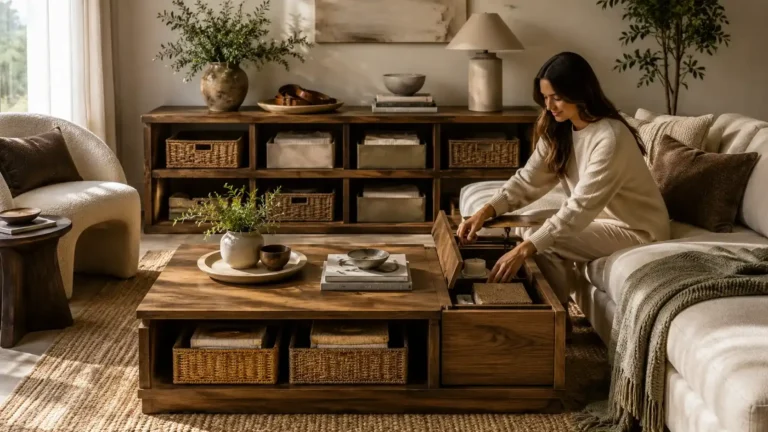
Begin with one room rather than trying to transform everything at once. Move the largest piece first, then test your cleaning path. Notice where tools bump, where cords gather, and where dust returns quickly. Shift accent furniture only after the main route feels open. This process makes change manageable and prevents expensive mistakes. Keep measuring comfort, not just open space. A room should still invite rest, conversation, and everyday living. Revisit How to Arrange Furniture for Easy Cleaning when you want a structured next step. The right arrangement does not demand perfection. It simply makes every cleaning session feel less like a struggle.



Leave a comment