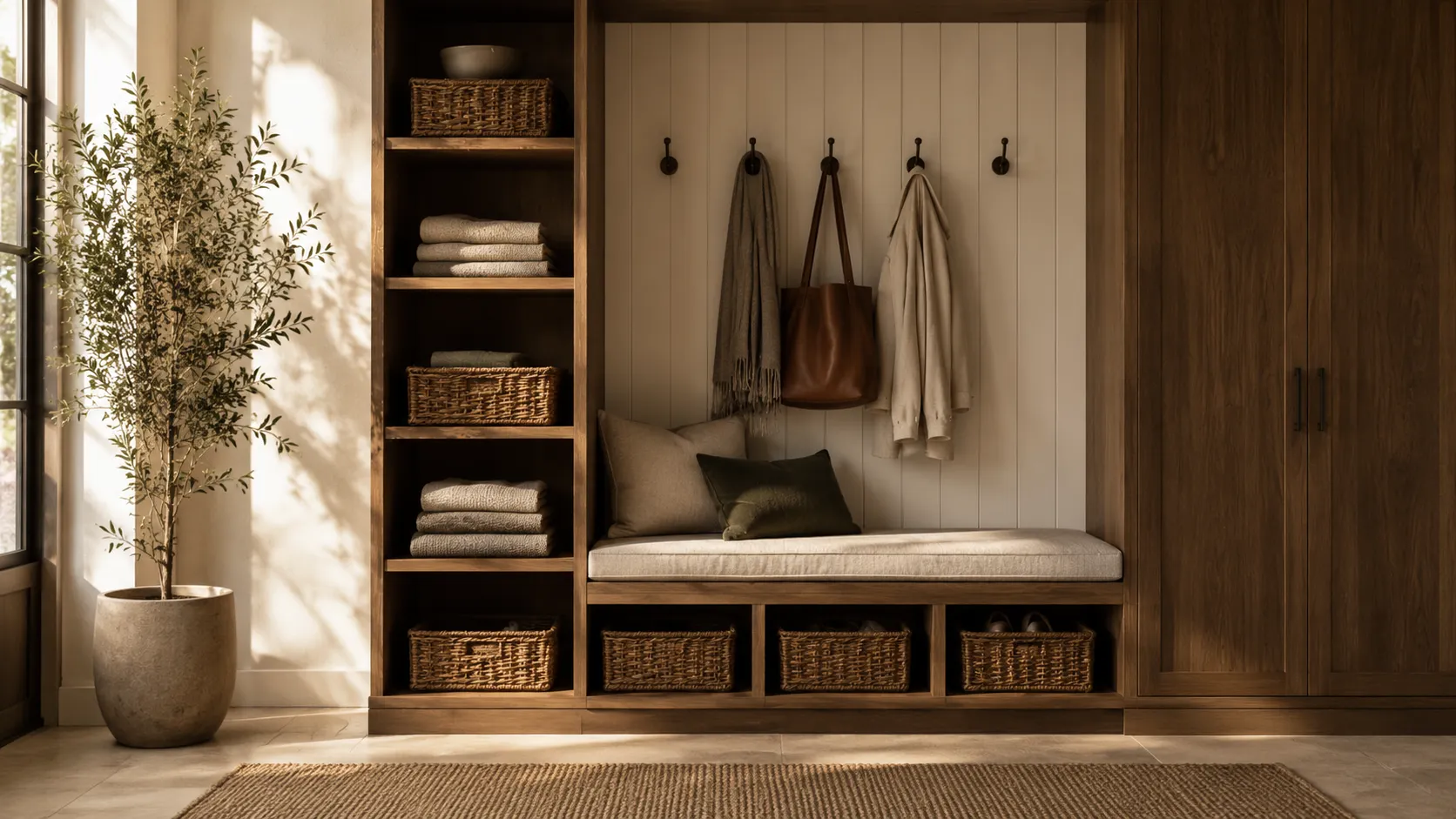
A beautiful home should not require exhausting effort to stay presentable. cleaning-friendly home design starts with choices that simplify ordinary upkeep. It combines furniture placement, traffic flow, storage habits, and surface access. The goal is not a bare room or a rigid lifestyle. Instead, the goal is a space that handles real living gracefully. The guide How to Arrange Furniture for Easy Cleaning helps turn that goal into practical decisions. It supports low-maintenance home layout planning from the start. It also encourages accessible cleaning paths through busy rooms. When design supports maintenance, cleaning feels less like recovery work. Your home begins to feel calm even between deep-cleaning sessions.
Movement reveals whether a room will stay easy to maintain. If people squeeze between pieces, cleaning tools will struggle too. If pathways feel natural, daily resets become faster and less stressful. This is why simple furniture spacing matters throughout the home. It also supports minimalist furniture placement without sacrificing comfort or warmth. A focused planning resource helps evaluate those relationships before you add more furniture. It encourages you to test space before adding more decor. Movement should feel smooth from entrances to seating and storage. Good flow also makes rooms feel larger. Most importantly, it reduces the small frustrations that make cleaning easier to postpone. That shift protects energy during busy weeks.
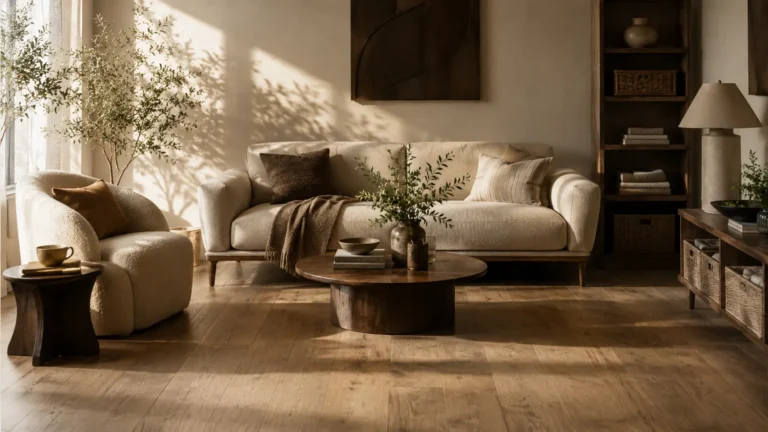
Every home has surfaces that collect dust and corners that attract clutter. Planning around those areas prevents maintenance problems before they spread. Leave enough space near walls for wiping, sweeping, and inspection. Choose an open floor furniture plan where larger pieces do not block access. Support it with a robot vacuum friendly layout when automated cleaning fits your lifestyle. Keep cords organized, rug edges secure, and storage close to high-use areas. These details make routine cleaning feel predictable. For related placement steps, read the arrangement companion. It focuses on furniture decisions that reduce weekly effort. Good planning makes the cleanest choice feel like the easiest choice.
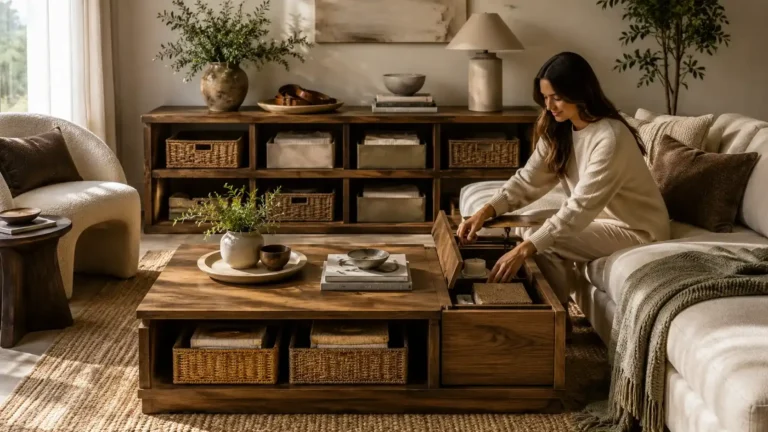
Gathering spaces need comfort, but they also need fast reset options. Living rooms, breakfast corners, and media areas collect daily evidence quickly. Design should make those traces easy to remove. A practical easy-to-clean living room layout protects both comfort and order. Add washable furniture zones where snacks, pets, or crafts appear often. The linked How to Arrange Furniture for Easy Cleaning guide helps define those zones clearly. Use baskets, side tables, and open routes to support real habits. Avoid hiding every item behind complicated storage. Quick access matters more than perfect concealment. When gathering areas reset easily, the whole home feels more peaceful.
Storage fails when it asks people to make too many decisions. The best systems are obvious, visible, and close to the mess. Keep everyday items near the place where people actually use them. This supports clutter-free room design without constant reminders or complicated labels. It also helps create an effortless maintenance plan for shared spaces. A tray near the sofa can collect remotes and reading glasses. A basket near the doorway can catch bags and returns. Simple containers should look intentional, not temporary. For deeper room-flow planning, see the layout companion. The home feels easier when fewer items require daily negotiation. This simple clarity helps everyone use the system consistently each day.
Smart planning looks beyond how a room appears in photos. It considers how quickly the room recovers after meals, guests, and busy mornings. A helpful smart layout guide connects those realities with better placement. Strong space planning for cleaning also protects time during weekly routines. Keep frequently cleaned surfaces open enough for quick wiping. Select furniture that lets light reach corners and edges. Notice where dust returns first, then adjust the objects around that area. Design becomes smarter when it responds to repeated patterns. It should remove obstacles instead of adding rules. That practical mindset keeps the home easier to manage over time.
Start where you will notice progress immediately. A coffee table, entry bench, or reading corner can change quickly. Move one item, open one path, and test one cleaning task. This approach keeps motivation high because results appear fast. Choose simple furniture spacing before purchasing new organizers. Then use what you learn to improve the next room. Avoid chasing perfection, because real homes need flexible systems. Return to How to Arrange Furniture for Easy Cleaning when you want structured guidance. Each visible win builds confidence for the larger plan. Over time, your rooms support cleanliness because the design makes maintenance feel natural. The progress feels practical, visible, and easy to repeat.

Leave a comment